Understanding Luck in Casino Games
Luck is often perceived as a mystical force that significantly impacts outcomes in casino games. Many players enter a casino believing that their success is primarily dictated by sheer luck, but this notion can be misleading. While luck does play a role, especially in games of chance like slots and roulette, understanding the concept of probability and odds is crucial for a more informative perspective. For instance, those seeking to enhance their experience can explore the best online pokies australia which often combine randomness and game design in compelling ways.
Moreover, luck is an abstract concept, often influenced by psychological factors, such as personal beliefs, superstitions, and rituals that players engage in before or during games. For example, some players may wear their “lucky” shirt or follow specific routines, hoping that these superstitions will sway the odds in their favor. However, while these rituals can enhance the gaming experience, they do not alter the mathematical probabilities of games, which remain constant regardless of personal beliefs. Understanding this can help players enjoy the games while keeping expectations grounded in reality.
It’s essential to distinguish between short-term luck and long-term odds. A player might experience a lucky streak one night, winning substantial amounts, but in the long run, the house always has an edge. Understanding this distinction can help players make more informed decisions, manage their bankroll effectively, and enjoy the gaming experience without falling victim to overconfidence stemming from temporary wins. Recognizing that luck varies over time can lead to a more balanced approach to gambling.
The House Edge: A Statistical Reality
The concept of the house edge is a critical aspect of casino gambling that often gets overlooked in discussions about luck. The house edge refers to the mathematical advantage that the casino has over players, ensuring profitability over time. This edge varies depending on the game being played; for instance, blackjack has a lower house edge compared to slots. Understanding this concept is vital for players who want to approach gambling with a realistic mindset rather than relying solely on luck. It emphasizes the importance of being aware of the inherent risks associated with each game.
By recognizing the house edge, players can make more informed choices about which games to play and how to manage their bets. For example, games with a lower house edge offer better odds for players willing to apply strategies and skills, such as blackjack or poker. On the other hand, understanding the odds behind games with a high house edge, like many slot machines, can help players set realistic expectations about potential losses and wins. This knowledge empowers players to choose wisely and enjoy the game without unrealistic hopes.
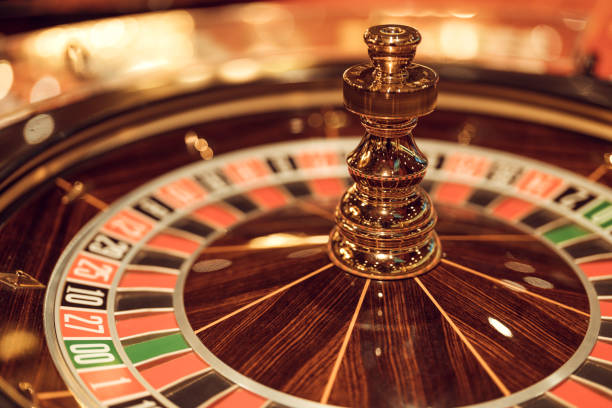
Moreover, it’s crucial to note that the house edge does not guarantee that players will consistently lose in the short term. While the odds are stacked against players, there can still be moments of luck where they hit a jackpot or succeed in a high-stakes game. The important takeaway is that while luck can provide temporary wins, the long-term outcomes are heavily influenced by the house edge and the game’s inherent probabilities. Players should understand that while fortune can smile upon them, the underlying mathematics will prevail in the grand scheme of things.
Superstitions and Their Impact on Gambling
Many players believe in various superstitions that they think will influence their luck in the casino. These can range from avoiding certain numbers to performing particular rituals before betting. While these beliefs can enhance the enjoyment and excitement of gambling, they do not affect the actual outcomes of games. For instance, a player might believe that a certain slot machine is “due” for a win, leading them to play it repeatedly, despite the random number generator ensuring that every spin is independent of the last. This can create a misleading sense of control over the game.
These superstitions often stem from cognitive biases where players remember only the instances when their beliefs seemingly “work,” ignoring the numerous times they do not. This selective memory can create a false sense of confidence about controlling luck, leading to potentially dangerous gambling behaviors, such as chasing losses. It’s essential for players to recognize that these rituals are a part of the gambling culture but should not replace a rational understanding of the games’ mechanics. A critical mindset can protect players from the pitfalls of misguided beliefs.
Furthermore, casinos often capitalize on this phenomenon by creating atmospheres filled with symbols of luck, such as four-leaf clovers or lucky colors. This adds to the allure of gambling, making the experience more emotionally charged and engaging. Players should enjoy these aspects of casino culture but maintain a balanced approach, remembering that luck is not a reliable strategy for winning at gambling. Embracing the entertainment value while understanding the underlying odds can lead to healthier gambling habits.
Strategies for Responsible Gambling
Understanding the role of luck in gambling is essential for cultivating responsible gambling habits. Players should approach their gaming experience with a clear strategy and a firm grasp of their finances. Setting a budget before entering a casino is crucial, as it helps players manage their expectations and avoid impulsive decisions fueled by hope for lucky outcomes. This financial discipline allows players to enjoy their time without the stress of potential losses overshadowing their experience. A well-defined budget can prevent emotional decisions that are often detrimental.
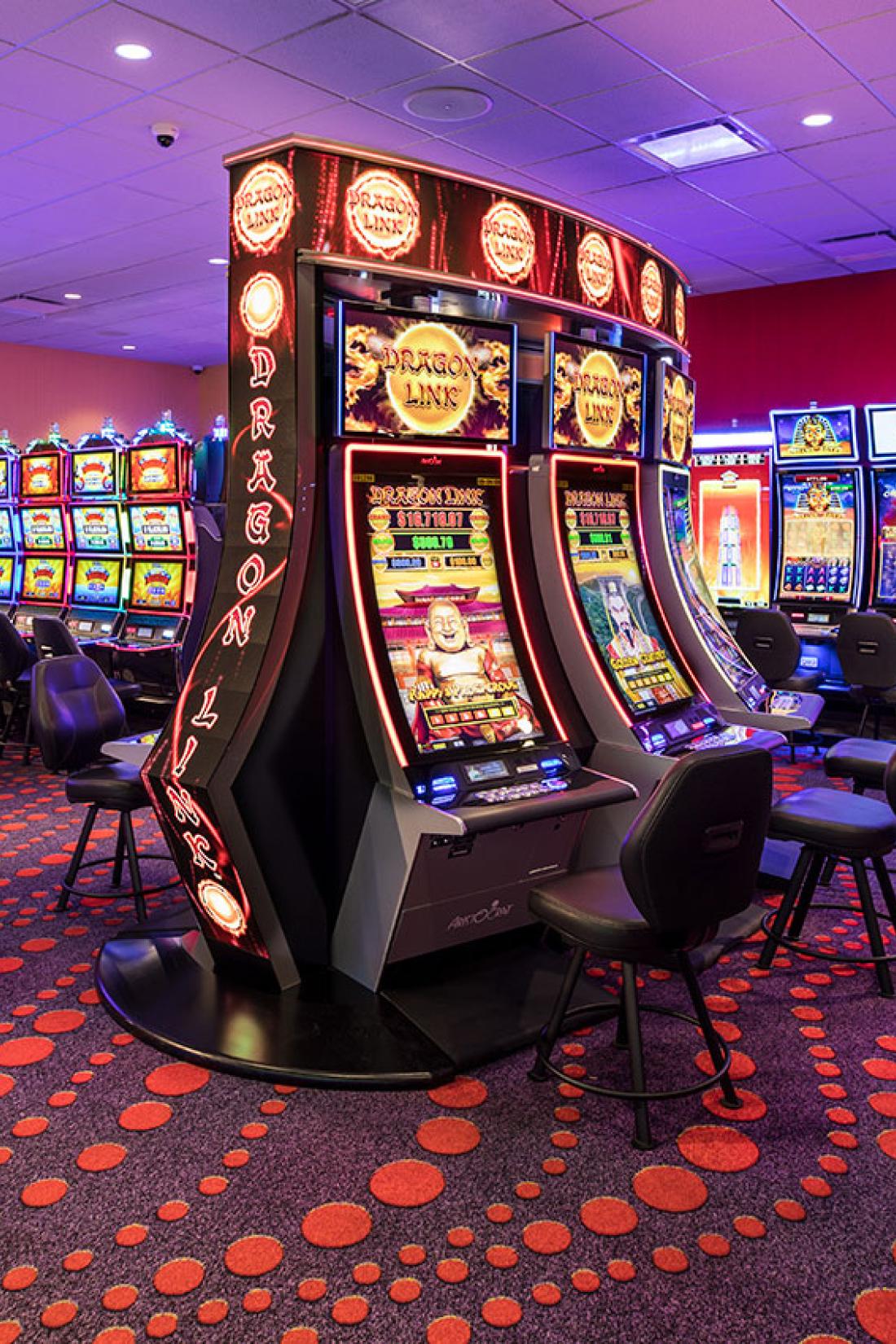
Moreover, employing strategic gameplay can mitigate the effects of luck. Choosing games with favorable odds, practicing strategies for games like blackjack or poker, and understanding the rules thoroughly can enhance a player’s ability to make informed decisions. By focusing on skill and strategy, players can feel more in control, which can be empowering compared to relying on luck alone. This proactive approach can lead to a more satisfying gaming experience, where players can engage with the game on multiple levels.
Additionally, it’s vital for players to acknowledge when to step away. Recognizing emotional states while gambling—whether excitement, frustration, or disappointment—is an essential part of responsible gambling. Establishing a clear stopping point helps prevent chasing losses and fosters a healthier relationship with the games. Ultimately, integrating strategy with prudent financial management allows players to enjoy gaming responsibly while acknowledging the unpredictable nature of luck. This balance can promote a sustainable and enjoyable gambling experience.
Get Engaged with Informed Gambling Resources
As players navigate the world of casino gambling, access to accurate information and resources can significantly enhance their experience. Numerous websites offer insights into game strategies, odds calculations, and responsible gambling tips, enabling players to merge enjoyment with a better understanding of the mechanics involved. These resources can demystify many of the misconceptions surrounding luck and help players develop a more strategic approach. Knowledge is power when it comes to making informed decisions in a casino setting.
Furthermore, engaging with online forums and communities can provide valuable support and shared experiences among fellow players. These platforms foster discussions about strategies, superstitions, and personal anecdotes, contributing to a deeper understanding of the gambling landscape. By learning from others and sharing knowledge, players can feel more equipped to approach gaming with a balanced perspective on luck and skill. This sense of community can enhance the overall experience of gambling.
Ultimately, embracing informed gambling practices not only enhances the enjoyment of the gaming experience but also promotes long-term sustainability in gambling habits. Players who prioritize knowledge and responsibility will find themselves more prepared to handle the ups and downs of casino games, ensuring a healthier and more entertaining approach to gambling. By leveraging available resources and engaging with others, players can transform their gambling journey into a more insightful and fulfilling experience.